
Why Versatile Clothing Is Becoming More Valuable to ShoppersWhy Versatile Clothing Is Becoming More Valuable to Shoppers
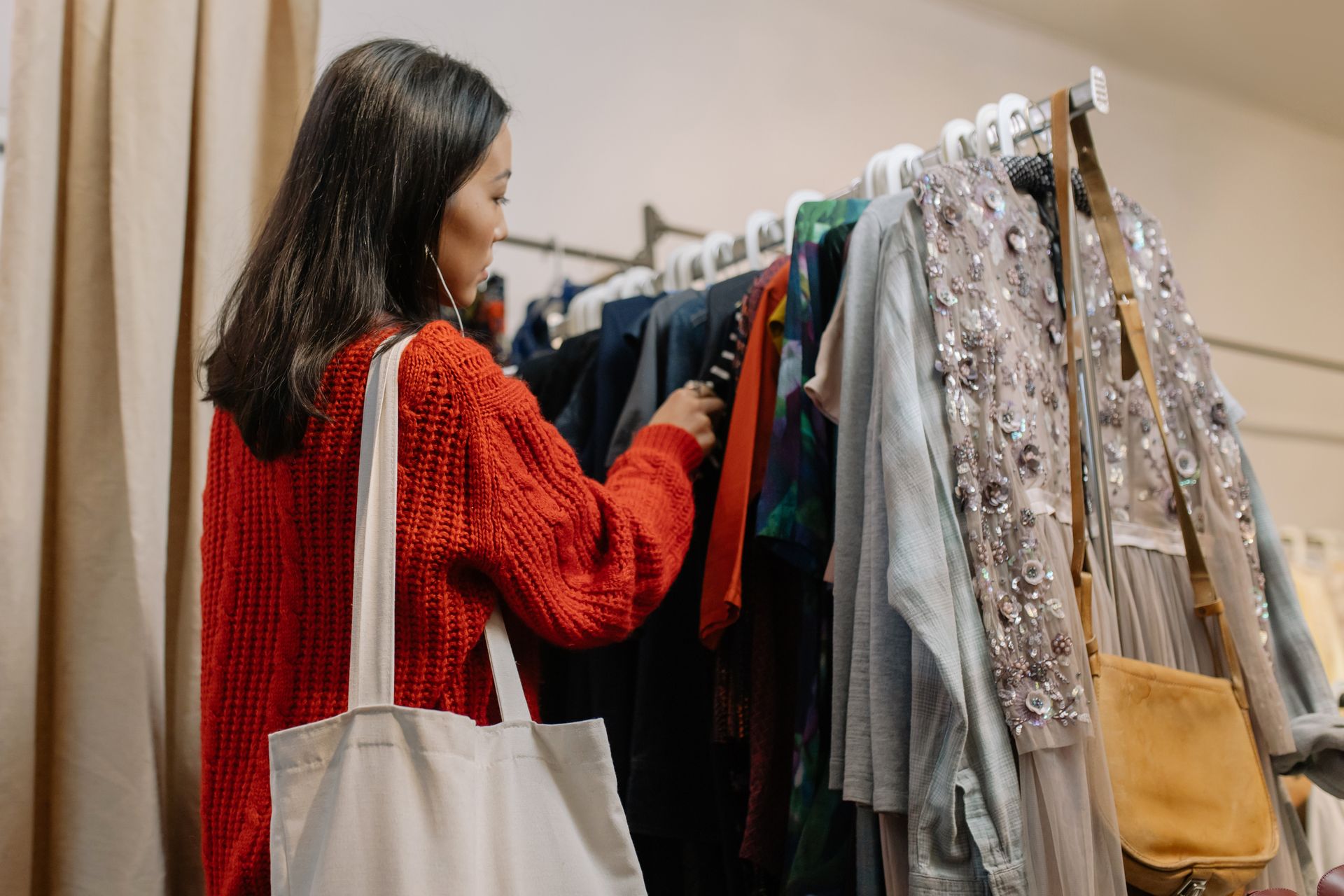
Fashion shoppers are becoming more thoughtful about what they buy. Instead of choosing clothing based only on trends, many consumers are looking for pieces that can work across different occasions and seasons. Versatile clothing offers that flexibility. One shirt may work for an office, casual outing, or evening event when styled differently. A simple jacket can also be worn with several types of outfits. This approach can make wardrobes more practical while helping shoppers avoid buying large quantities of clothing they rarely wear. As budgets, sustainability concerns, and lifestyle needs influence purchasing decisions, versatile clothing is becoming increasingly valuable for people who want more function from every item.
Choosing Practical Pieces
Versatility begins with selecting clothing that can work in multiple situations. Neutral colors, simple silhouettes, and comfortable fabrics are often easier to combine with existing wardrobe pieces. A versatile garment does not have to be plain or boring. Details such as interesting textures, subtle patterns, or well-designed cuts can add personality without limiting styling options. Shoppers can consider how often an item might be worn and how many existing pieces can work with it. This approach encourages thoughtful purchasing instead of buying something simply because it looks appealing in one particular outfit.
Creating More Outfits
One of the main advantages of versatile clothing is the ability to create several outfits from a smaller collection of pieces. A single garment can look different depending on footwear, accessories, layers, or other clothing. For example, a well-fitted pair of trousers can work with a blouse for professional settings or a casual top for everyday wear. A lightweight overshirt can also be worn over a T-shirt or layered beneath a jacket. This flexibility allows shoppers to experiment with their personal style without constantly purchasing new clothes.
Supporting Changing Lifestyles
Modern lifestyles can change from day to day. Someone may work from home one day, attend meetings the next, and spend the weekend traveling or socializing. Clothing that adapts to different settings can make these transitions easier. Pieces that move between casual and polished styles are particularly useful for people with flexible schedules. Travelers can also benefit from versatile wardrobes. Packing fewer items becomes easier when each piece can serve several purposes. A small collection can provide enough combinations for a longer trip without filling an entire suitcase.
Managing Clothing Costs
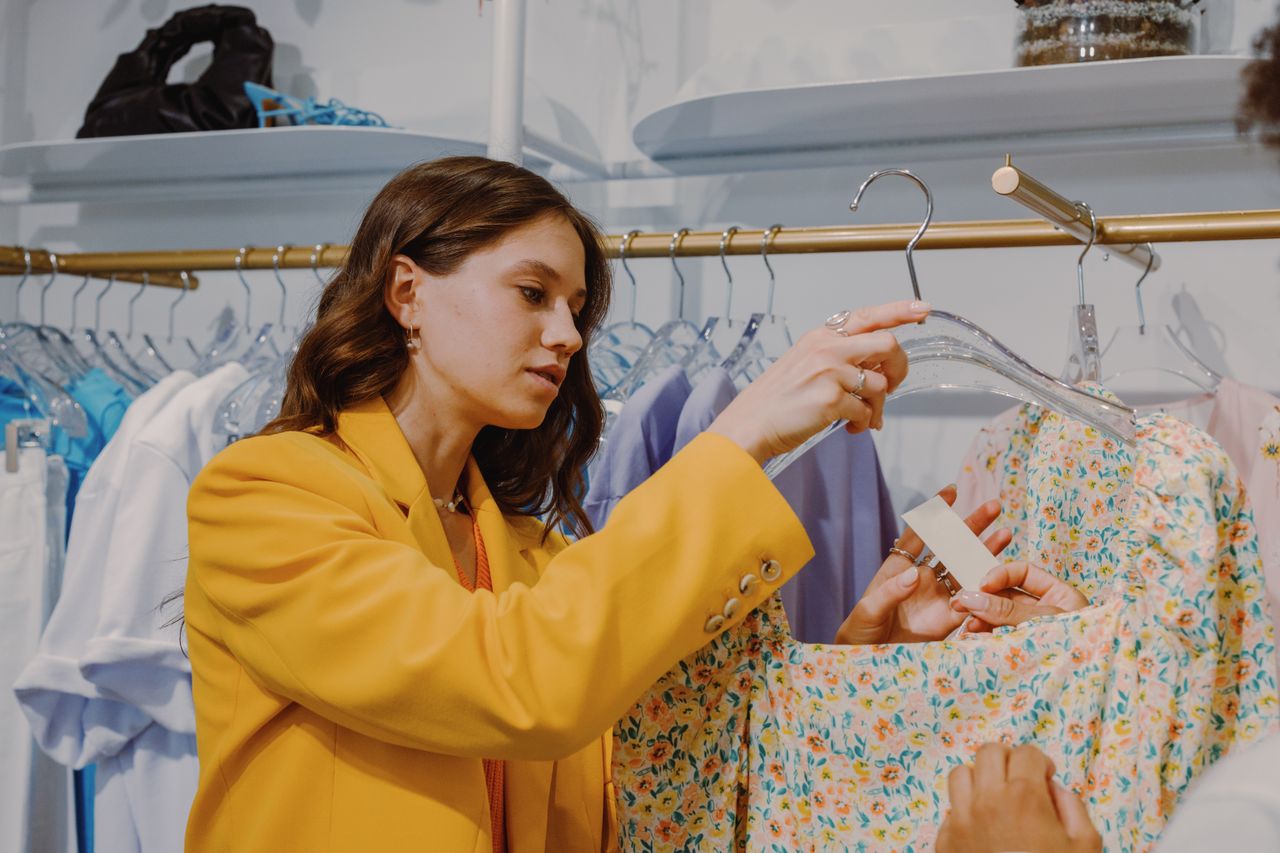
Versatile clothing can also provide better value over time. A higher-quality item that works with many outfits may receive more use than several inexpensive pieces purchased for specific occasions. Cost per wear is a useful way to think about clothing value. An item worn regularly may offer greater practical value than something that initially costs less but remains in the closet. This does not mean shoppers need to purchase expensive clothing. The focus is on choosing pieces that fit well, meet personal needs, and can be worn repeatedly.
Reducing Wardrobe Waste
Interest in versatile clothing is also connected to growing awareness of clothing waste. Purchasing fewer pieces that receive regular use can reduce unnecessary consumption. When shoppers choose adaptable garments, they may be less likely to replace their wardrobes whenever trends change. Classic shapes and flexible colors can remain useful even as fashion preferences evolve. Caring for clothing properly can further extend its lifespan. Washing garments according to care instructions, storing them correctly, and repairing minor damage can help keep useful pieces in rotation. Versatility therefore supports a more considered approach to fashion.
Building Flexible Wardrobes
A versatile wardrobe does not require every garment to match perfectly. It requires enough compatibility to create useful combinations. Shoppers can begin by identifying their most frequently worn colors, styles, and clothing categories. They can then choose new pieces that complement what they already own. Personal lifestyle should guide the process. Someone working in an office may need adaptable professional clothing, while someone with an active routine may prioritize comfortable layers and durable materials. The goal is …